
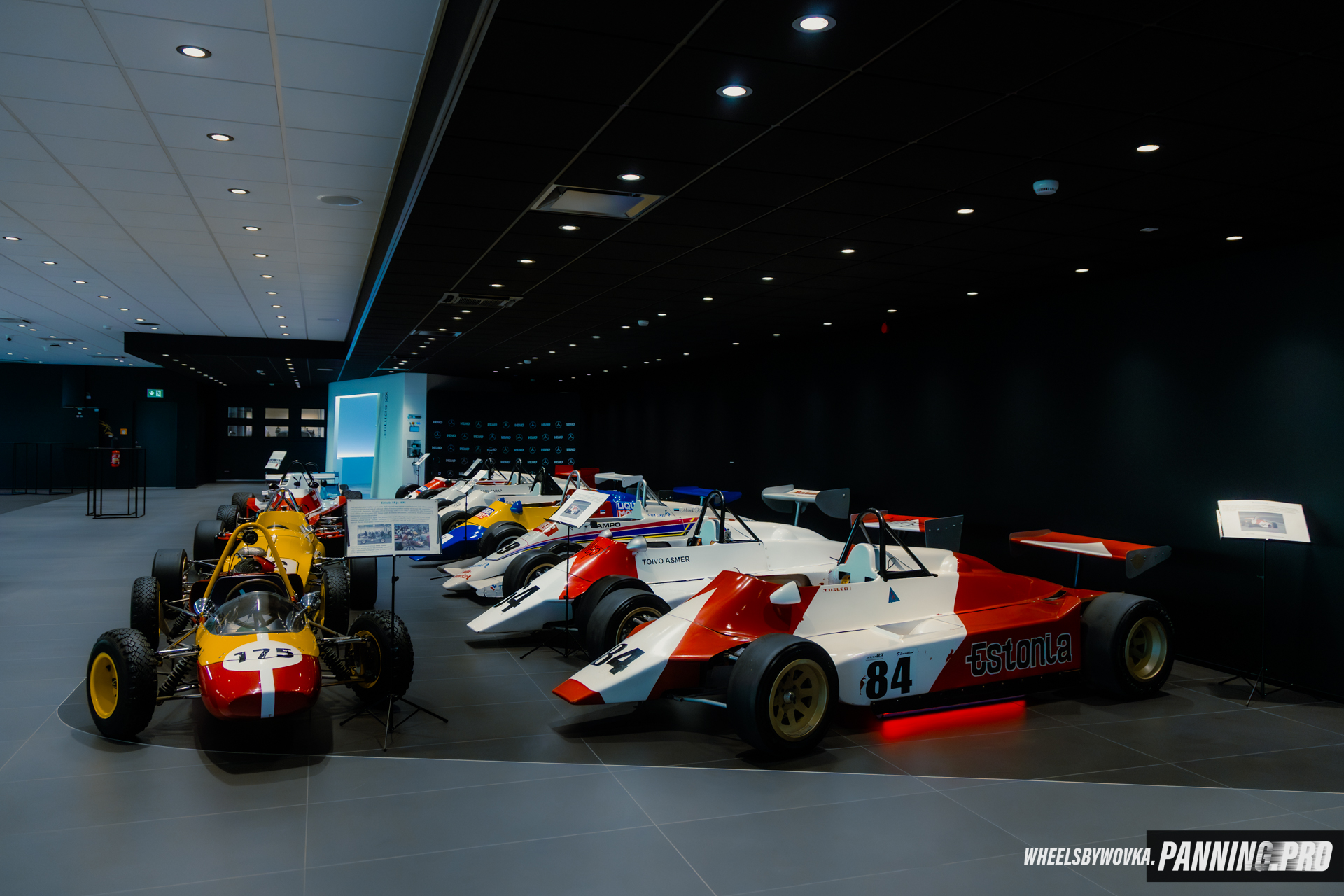
In the grey landscape of the Soviet automotive industry, largely known for utilitarian Ladas and robust Nivas— there existed a high-octane anomaly in Tallinn. Under the banner of TARK (Tallinna Autode Remondi Katsetehas, or the Tallinn Car Repair Experimental Factory), and later known as KAVOR, Estonia became the unlikely epicenter of Eastern European open-wheel racing.
These weren’t just local hobby projects, the factory build over 1300 Estonia chassis that dominated the Soviet championships and held their own in the Eastern Bloc’s prestigious “Cup of Peace and Friendship.”
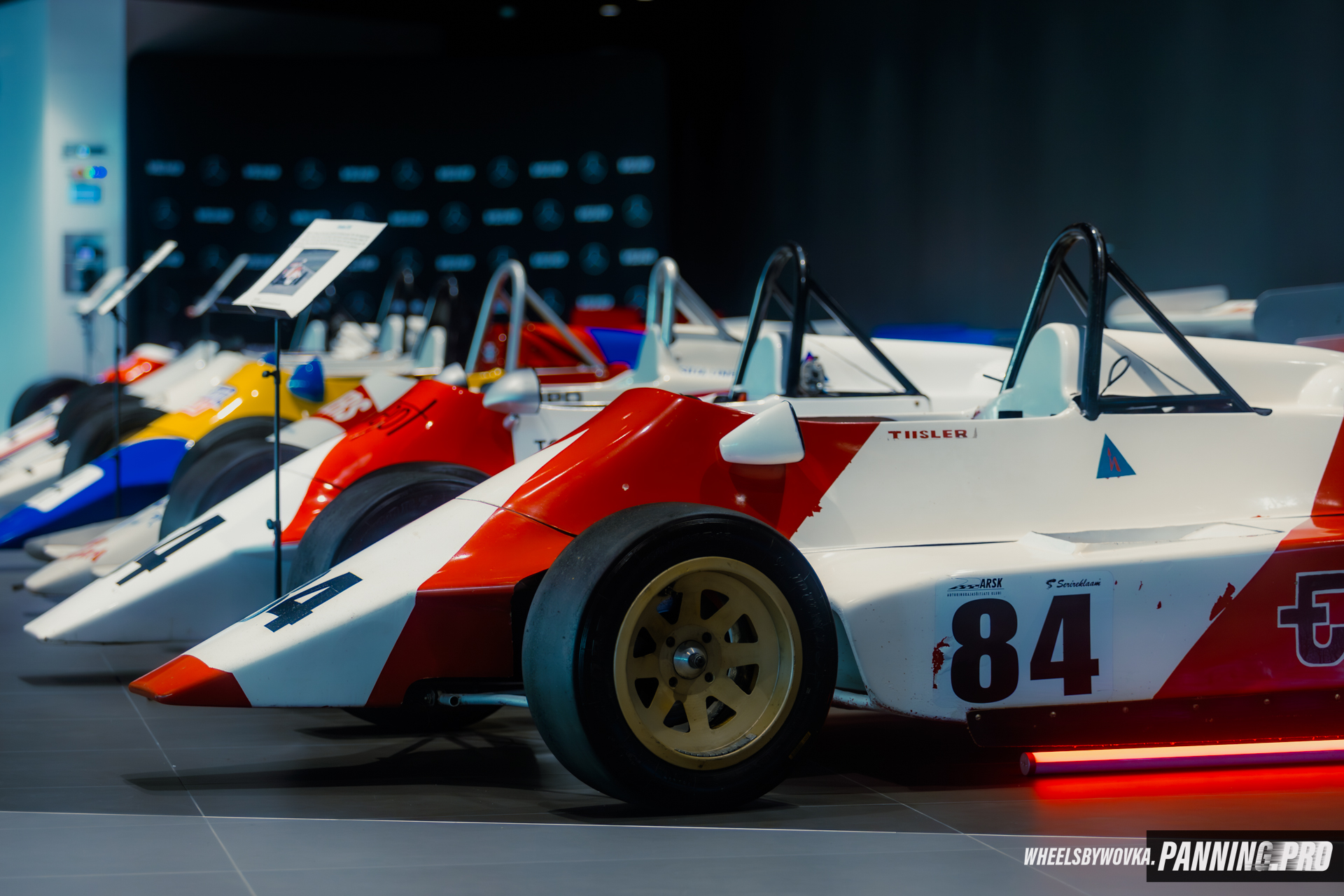
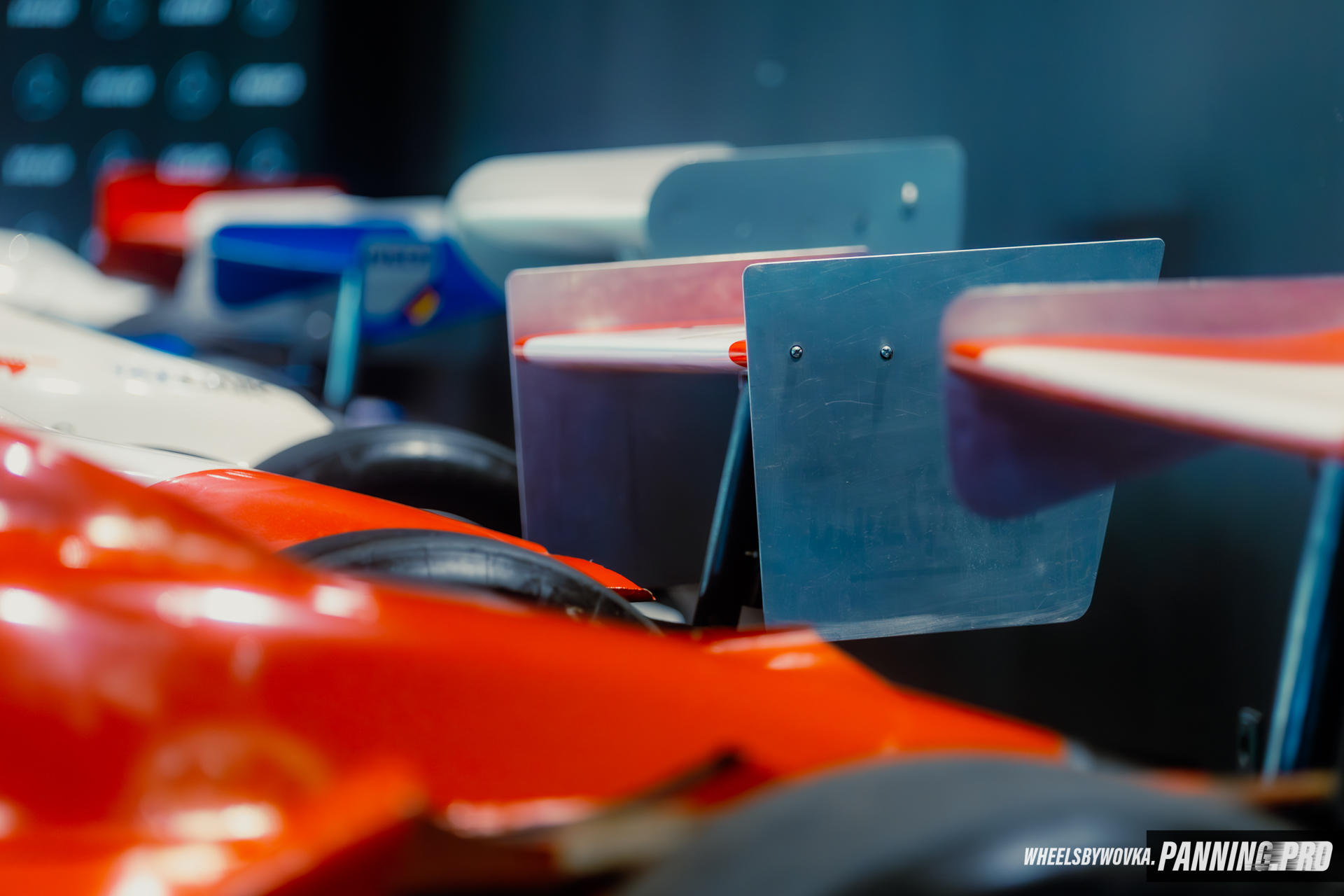
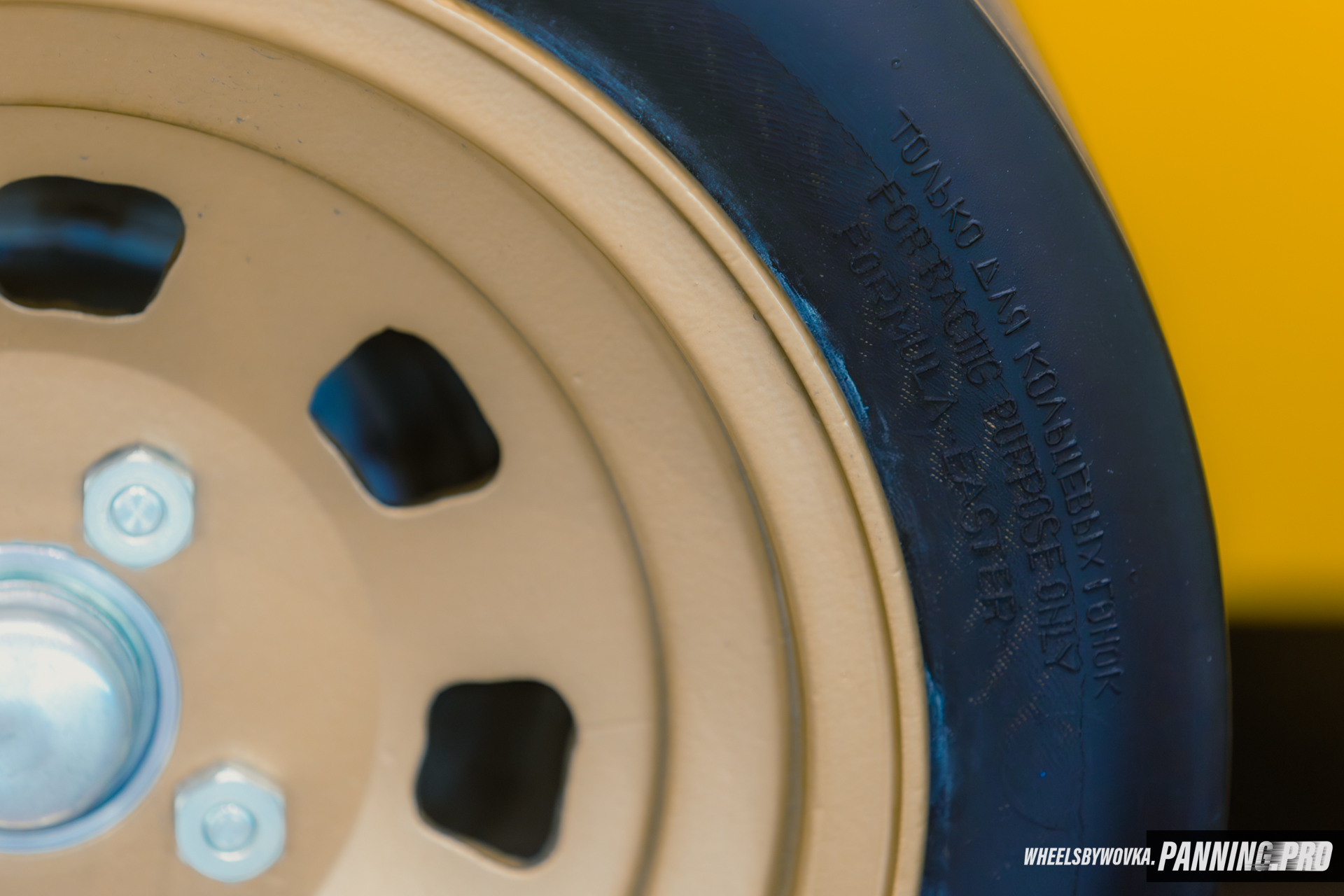
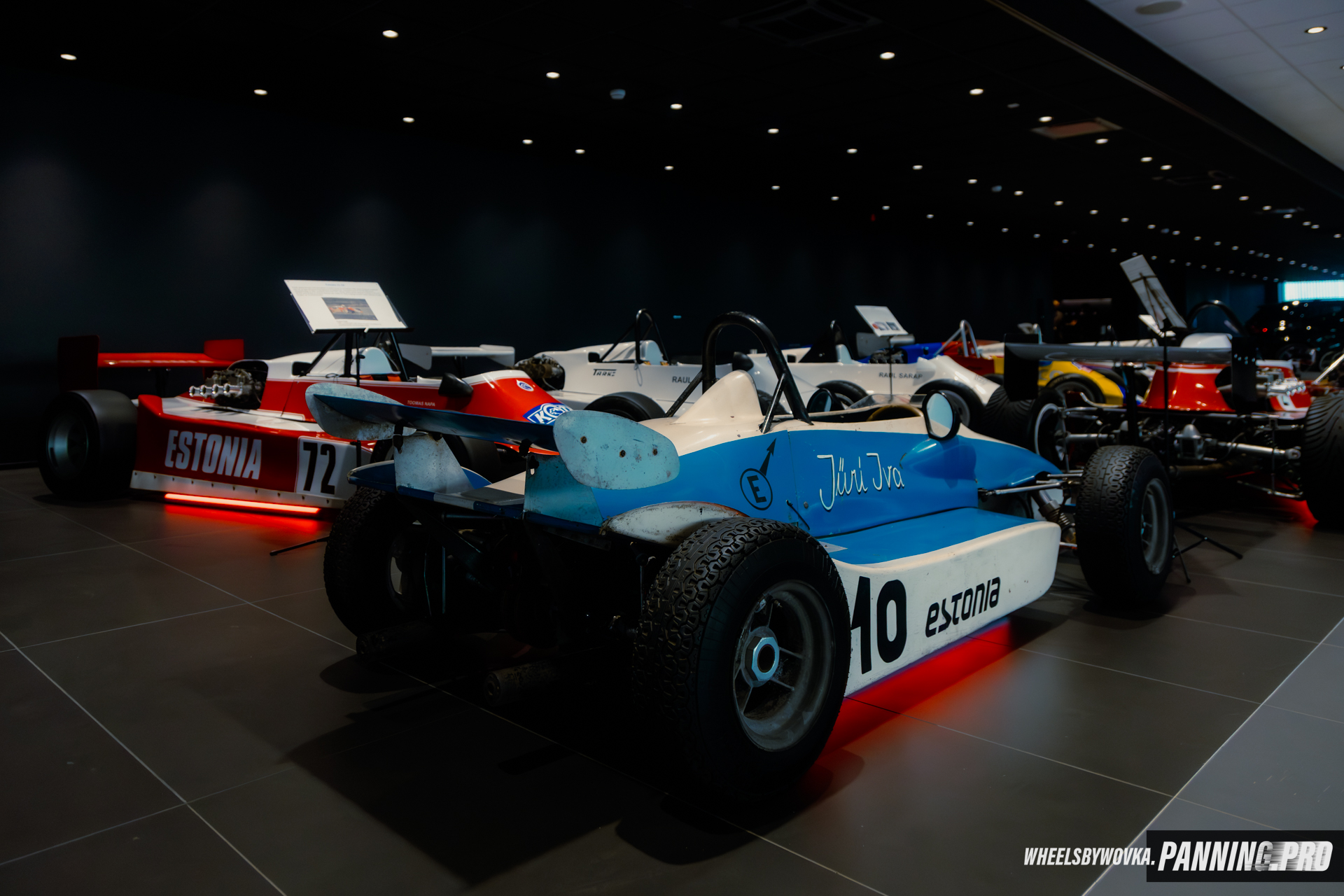
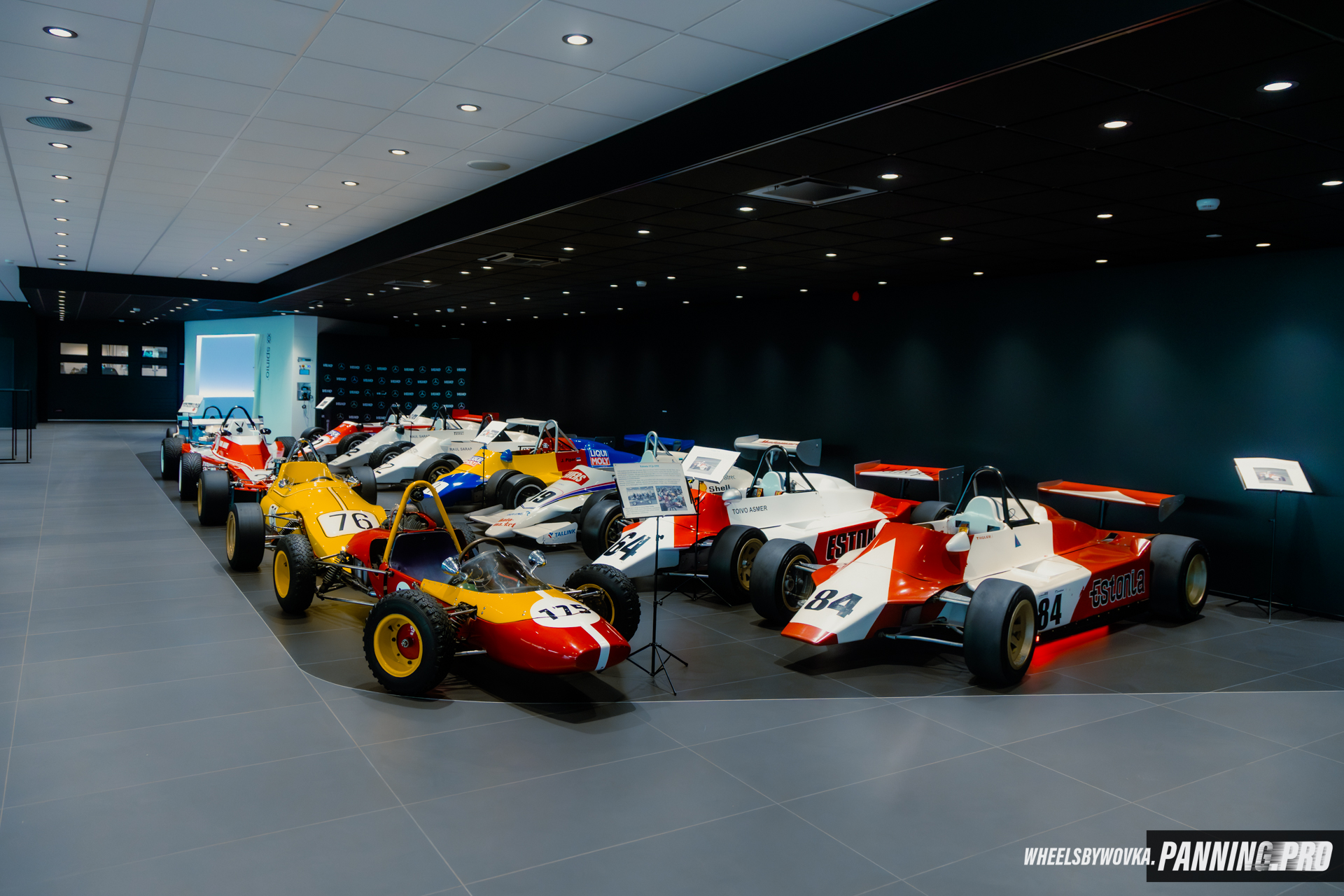
Thanks to Veho Eesti, who organised this little expo, I was able to take some photos and inspect Estonia’s homegrown formula racing machines. It looked like a snapshot of a parallel motorsport universe, forged behind the Iron Curtain. Motorsport in the Soviet Union followed its own ecosystem. International competition was largely out of reach, yet the hunger for speed and innovation remained. Engines were often derived from mass-produced road cars, components were standardized, and resources were limited. Yet within these constraints, Estonian engineers created machines that were not only competitive but respected across the Soviet racing landscape.
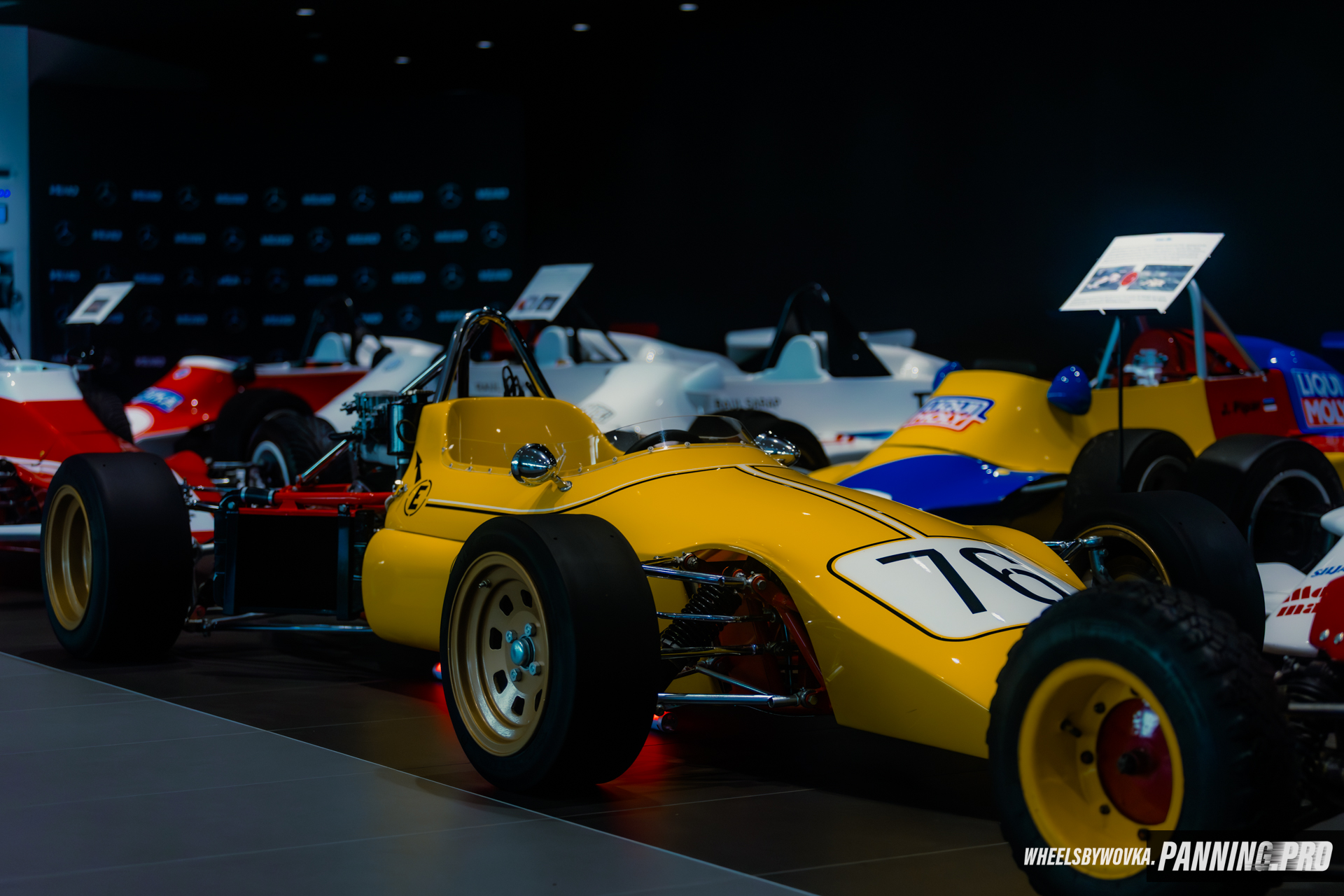
Madis Laiv was one of the earliest Estonian racing drivers who won USSR championship in 1963 in an Estonia 3 car, which marked his emergence as a top competitor in open-wheel racing within the Soviet Union. He went on to claim USSR championships in 1968 and 1971 using the experimental Estonia 14, a rear-engine vehicle powered by a GAZ-21 Volga engine, and finished second in 1969 with the same machine.
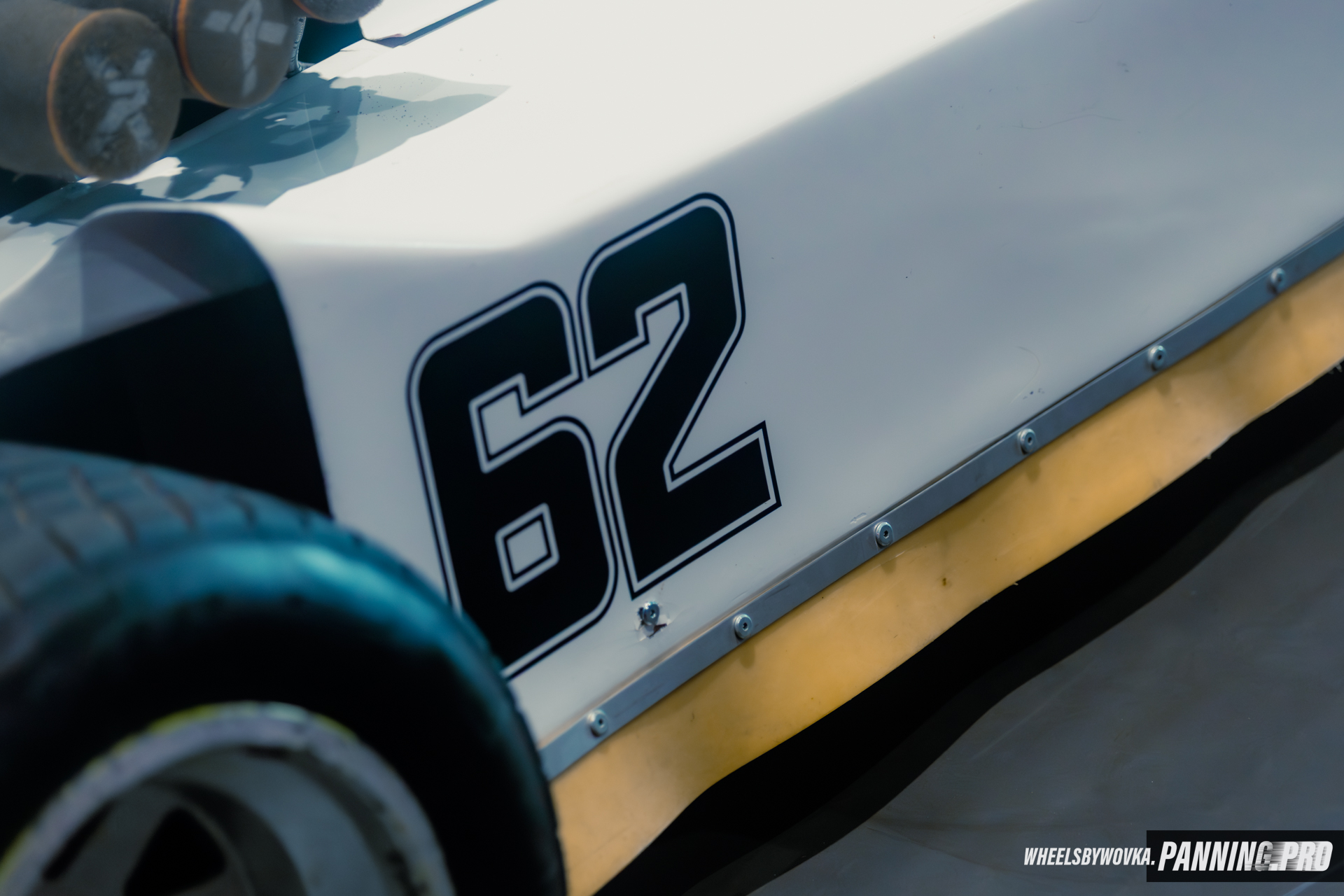
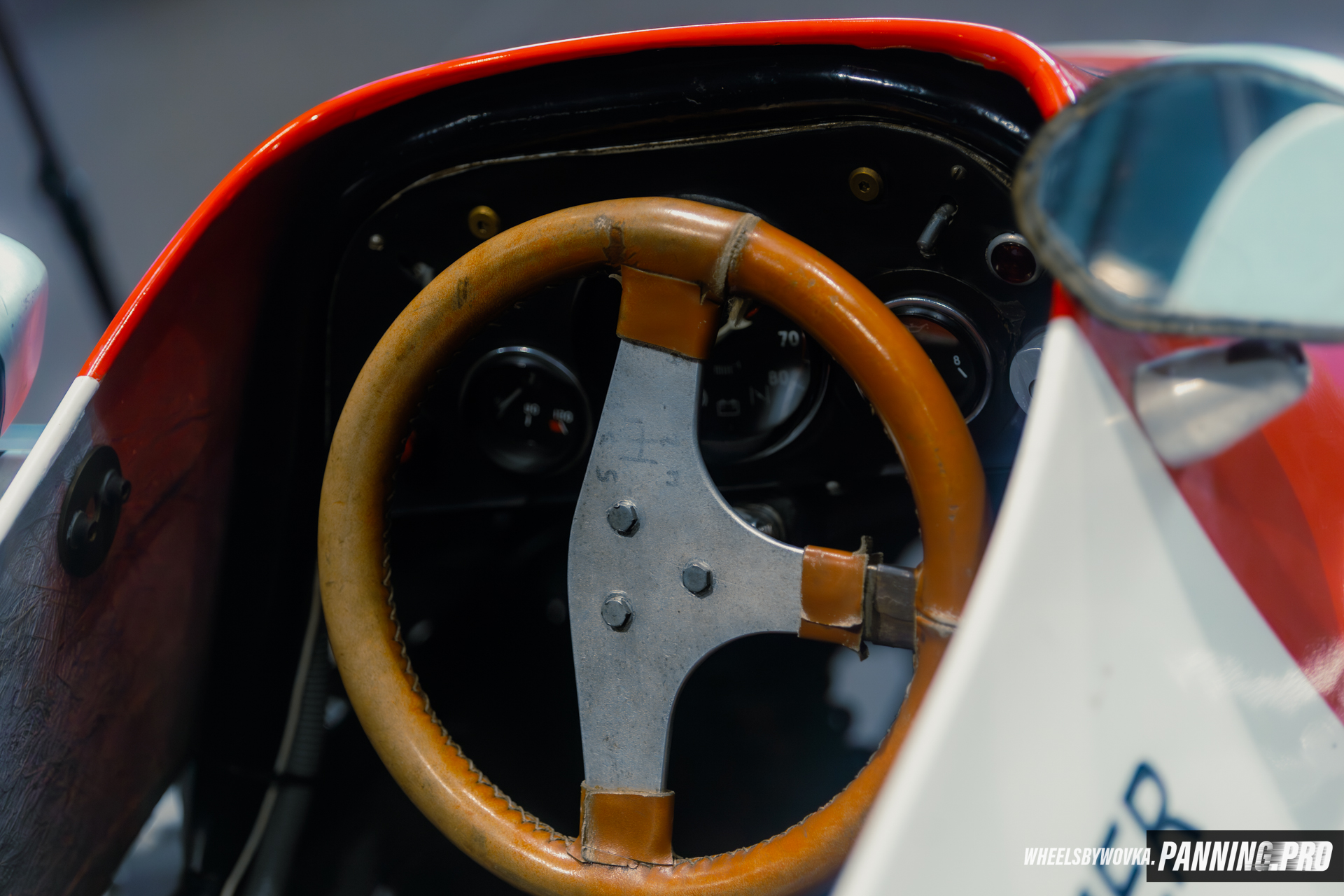
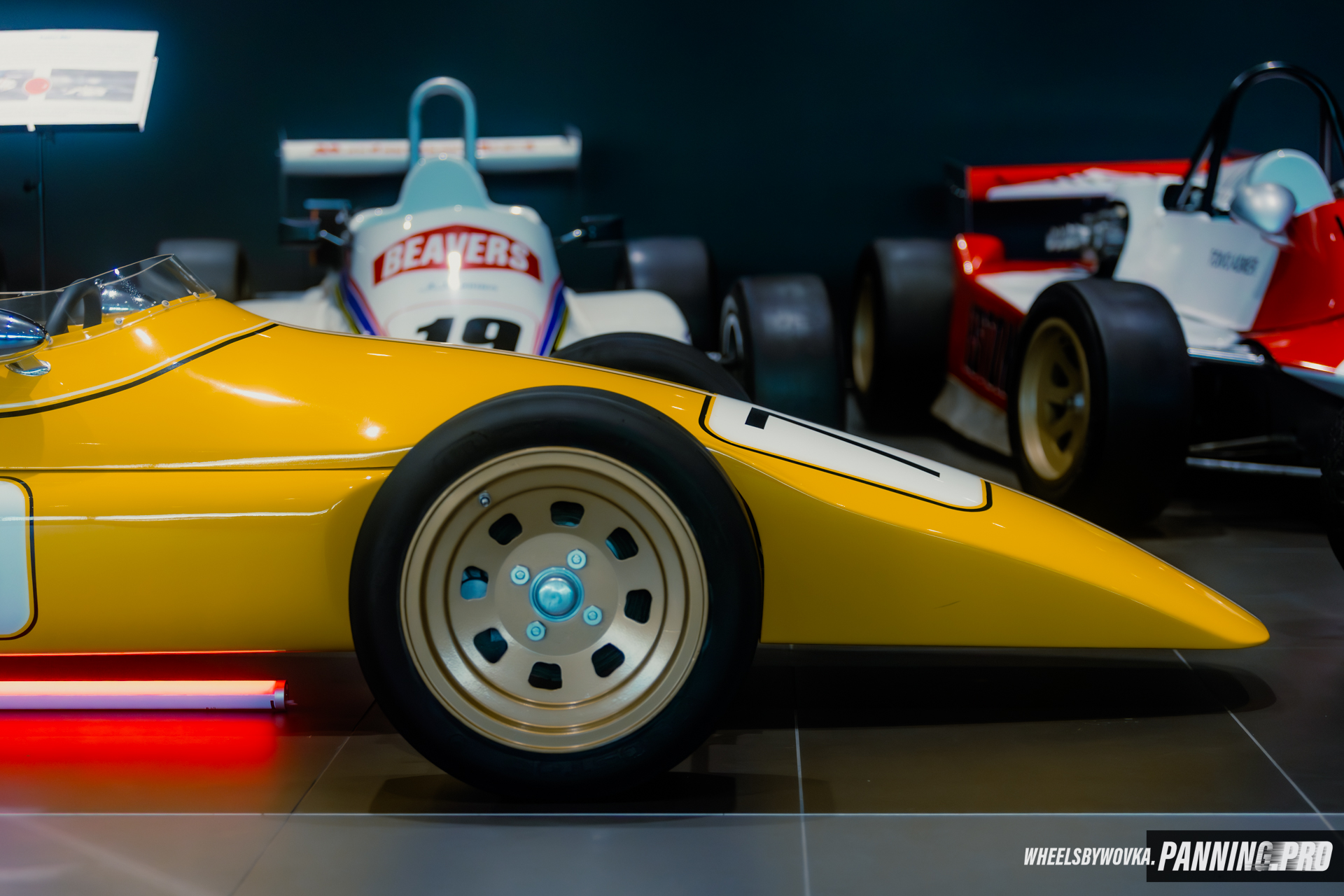
One of my favourite cars on display was the mint Estonia-16M (could be mistaking and it’s 17 or 18?), resembling a Lotus Type 49 F1 car. Built as an international F2 car in 1969, the Estonia 16 was based on the Estonia 9M chassis and equipped with a Moskvich 412 engine, magnesium alloy wheels, and disc brakes.
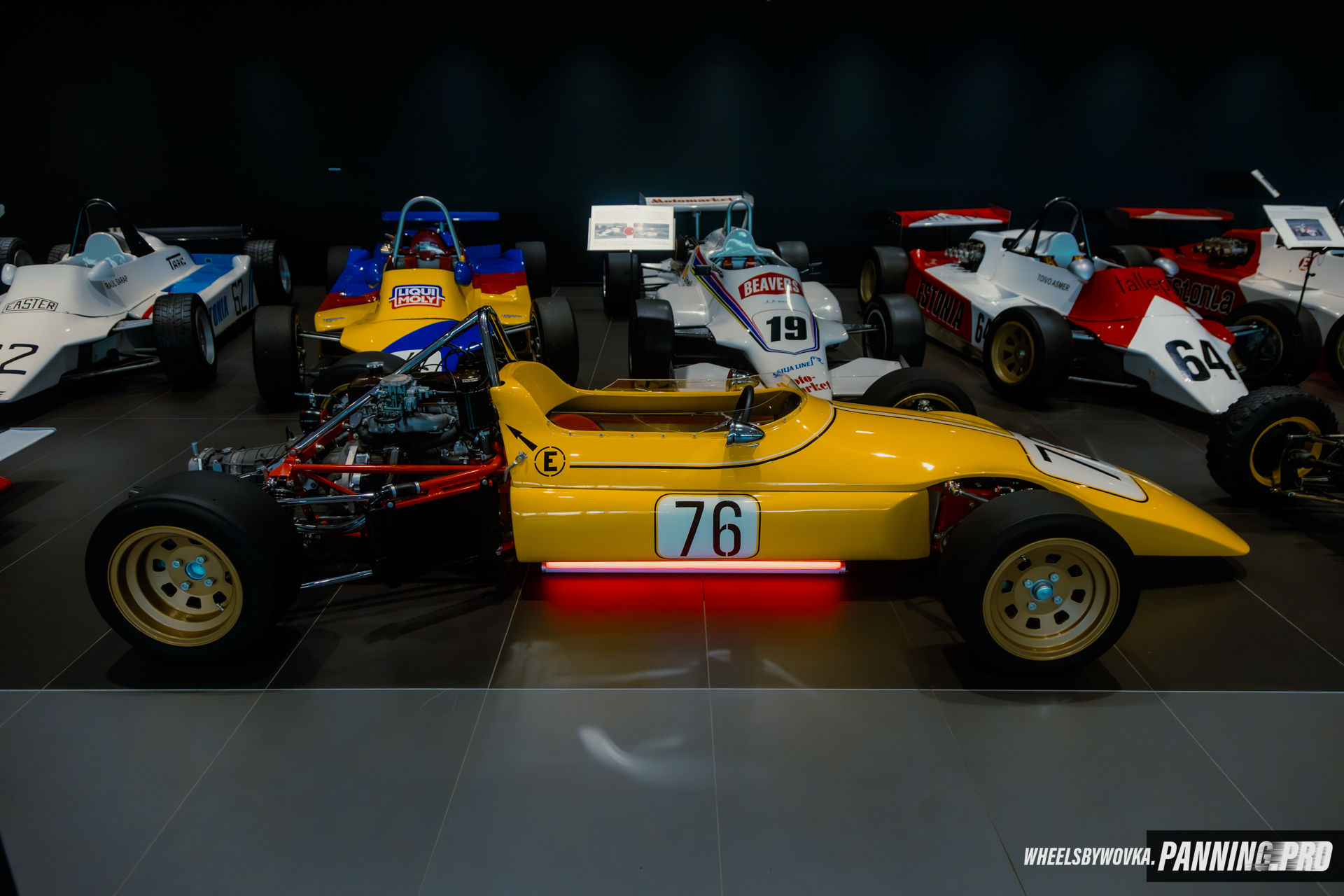
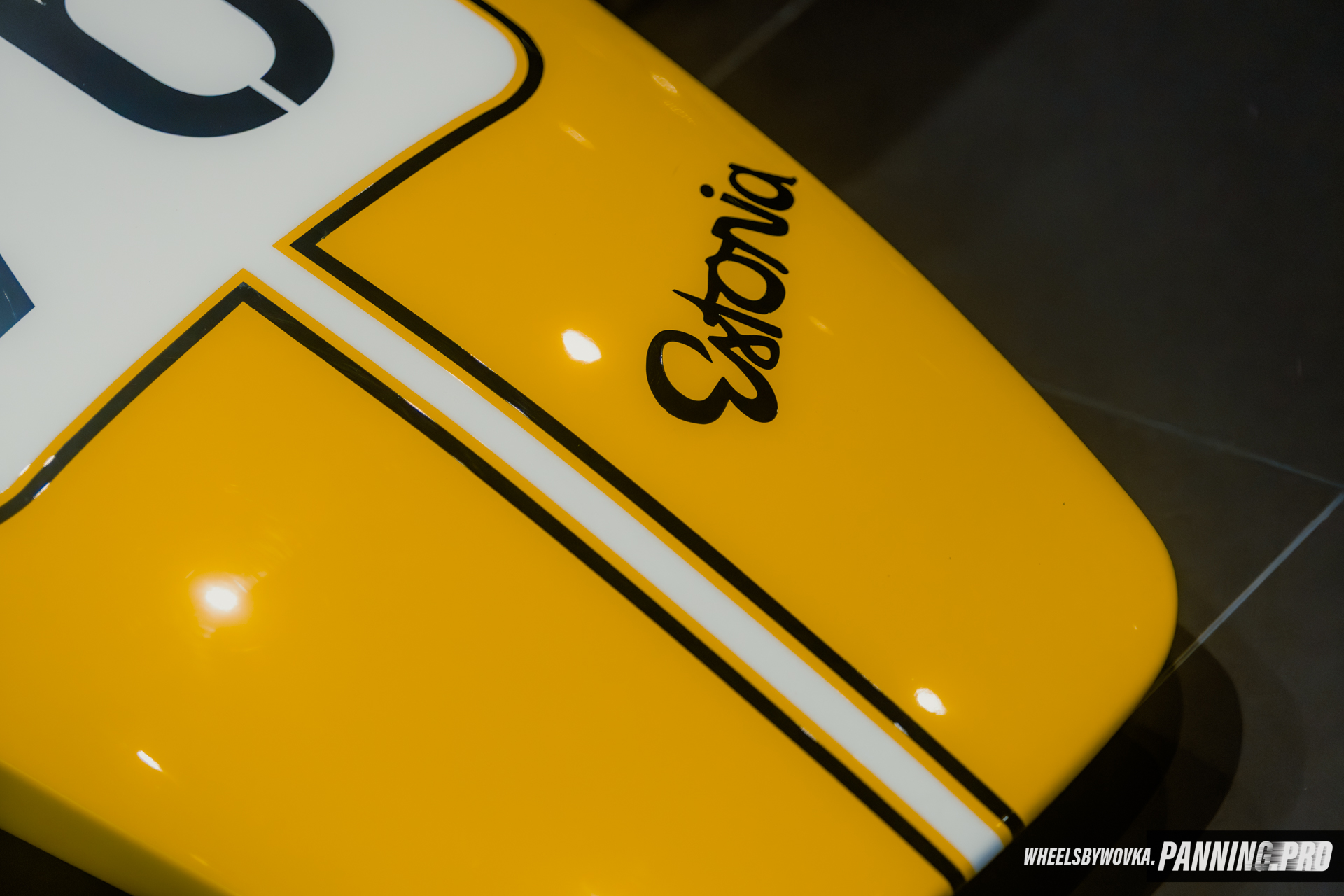
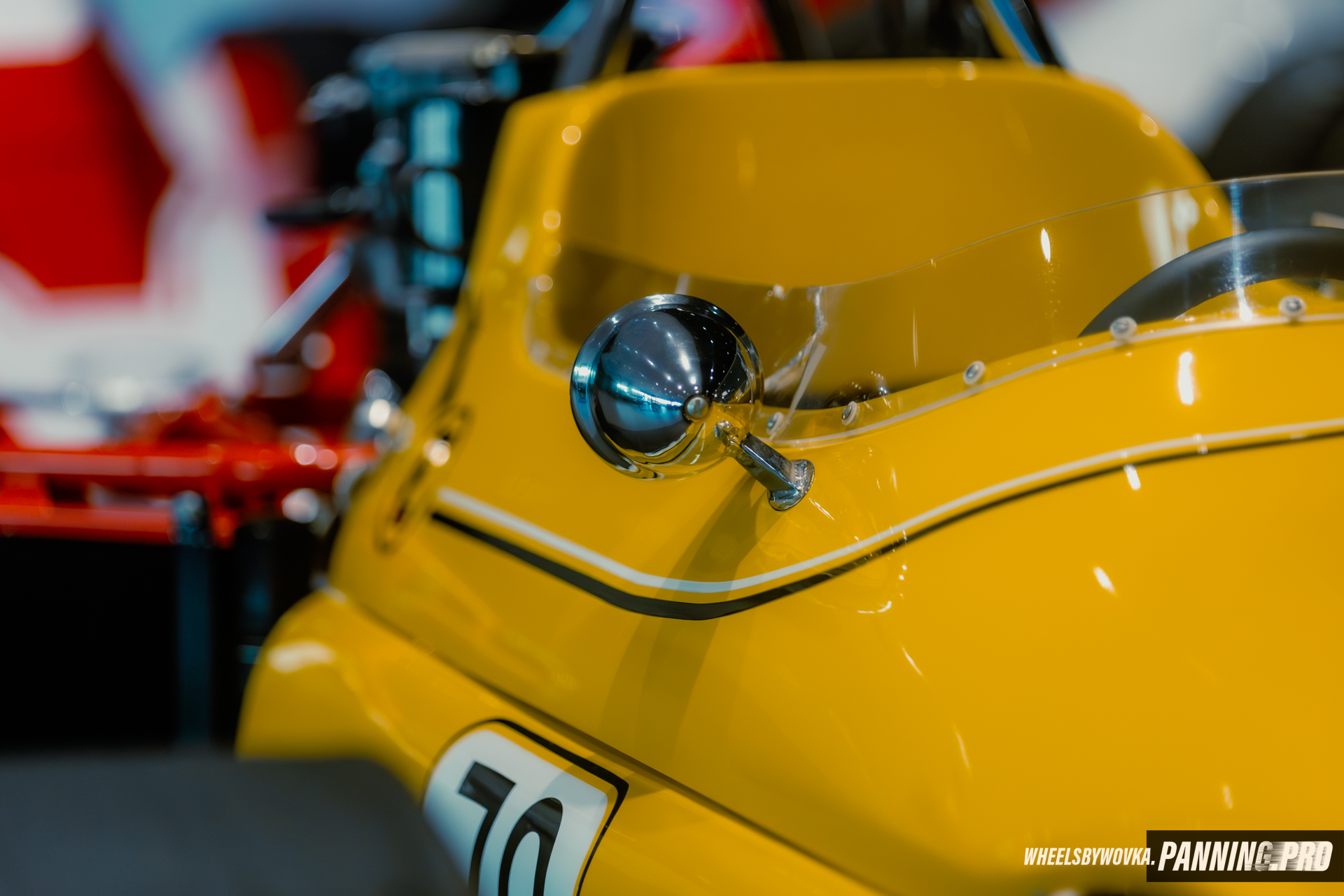
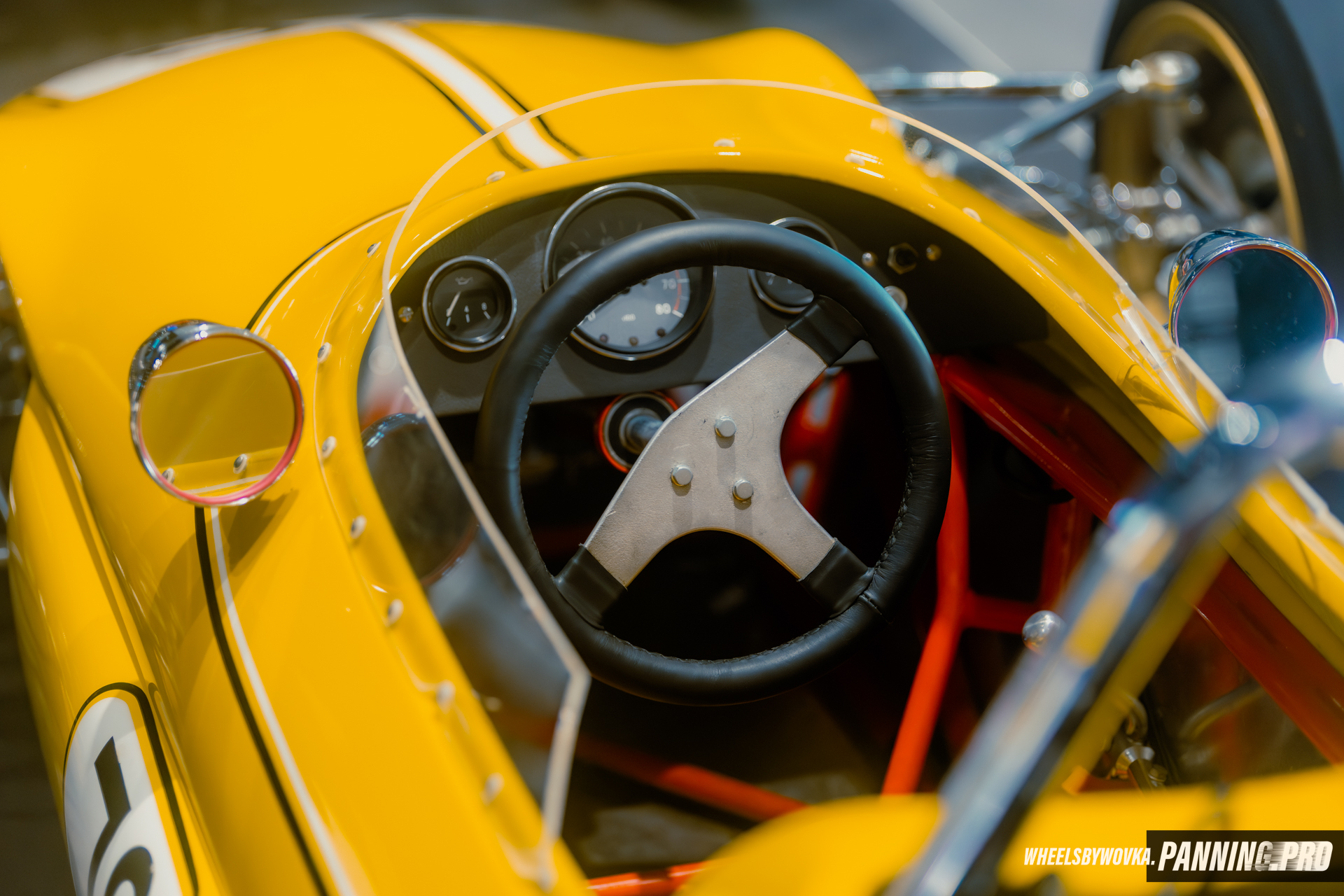
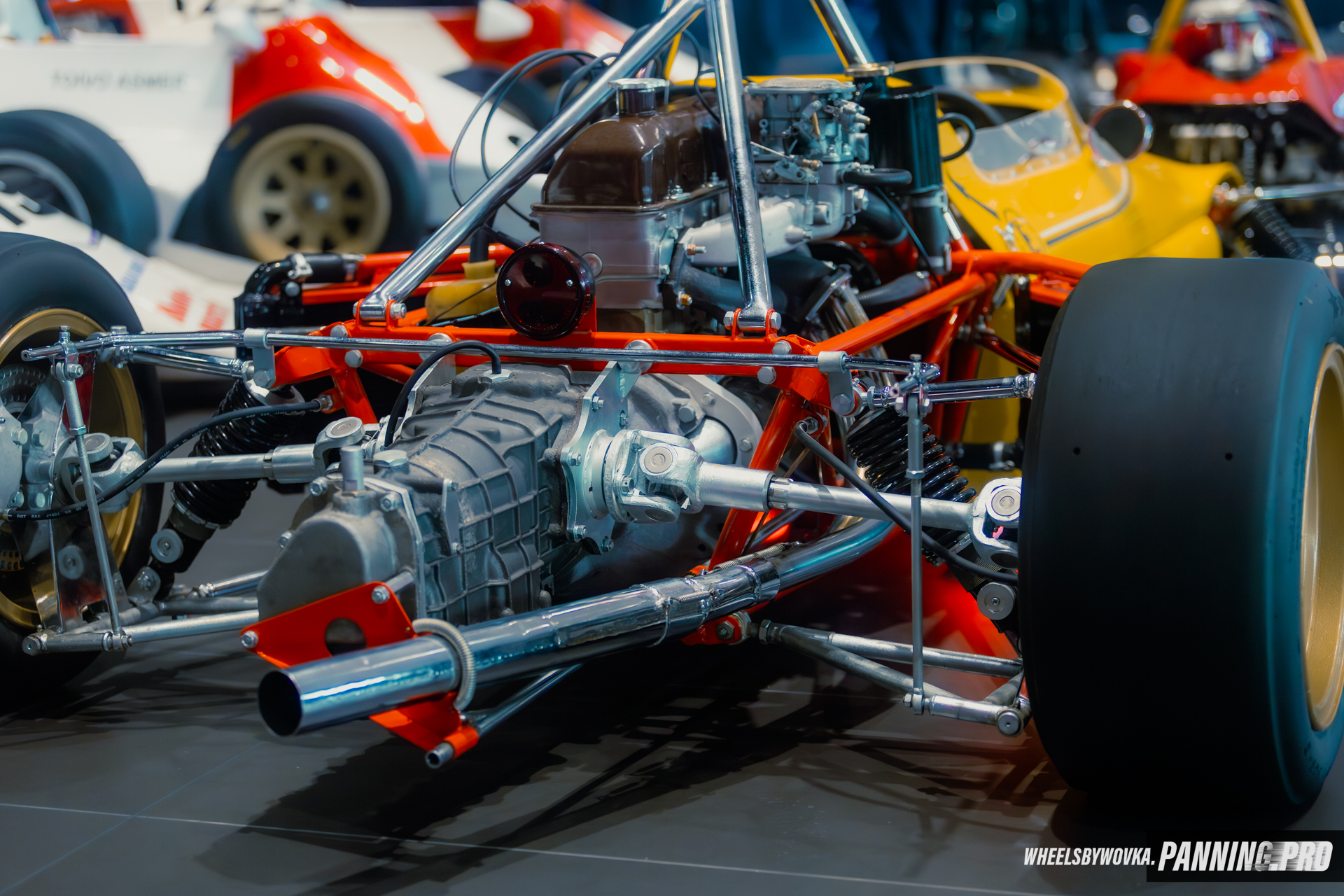
The Estonia 21 chassis, in particular, became a staple: robust, adaptable, and widely used by drivers from across the USSR. This chassis won the Friendship Cup four times in a row (1987-1990). Car was designed by racing engineer and driver Raul Sarap. It was the first time Estonia used ground effect to help their aerodynamics. A total of 295 cars were built. The Lada 1300/1600cc engine with a TARK 5-speed gearbox was used. Rocker arm suspension was used. Practically every component was built or modified at the TARK factory.
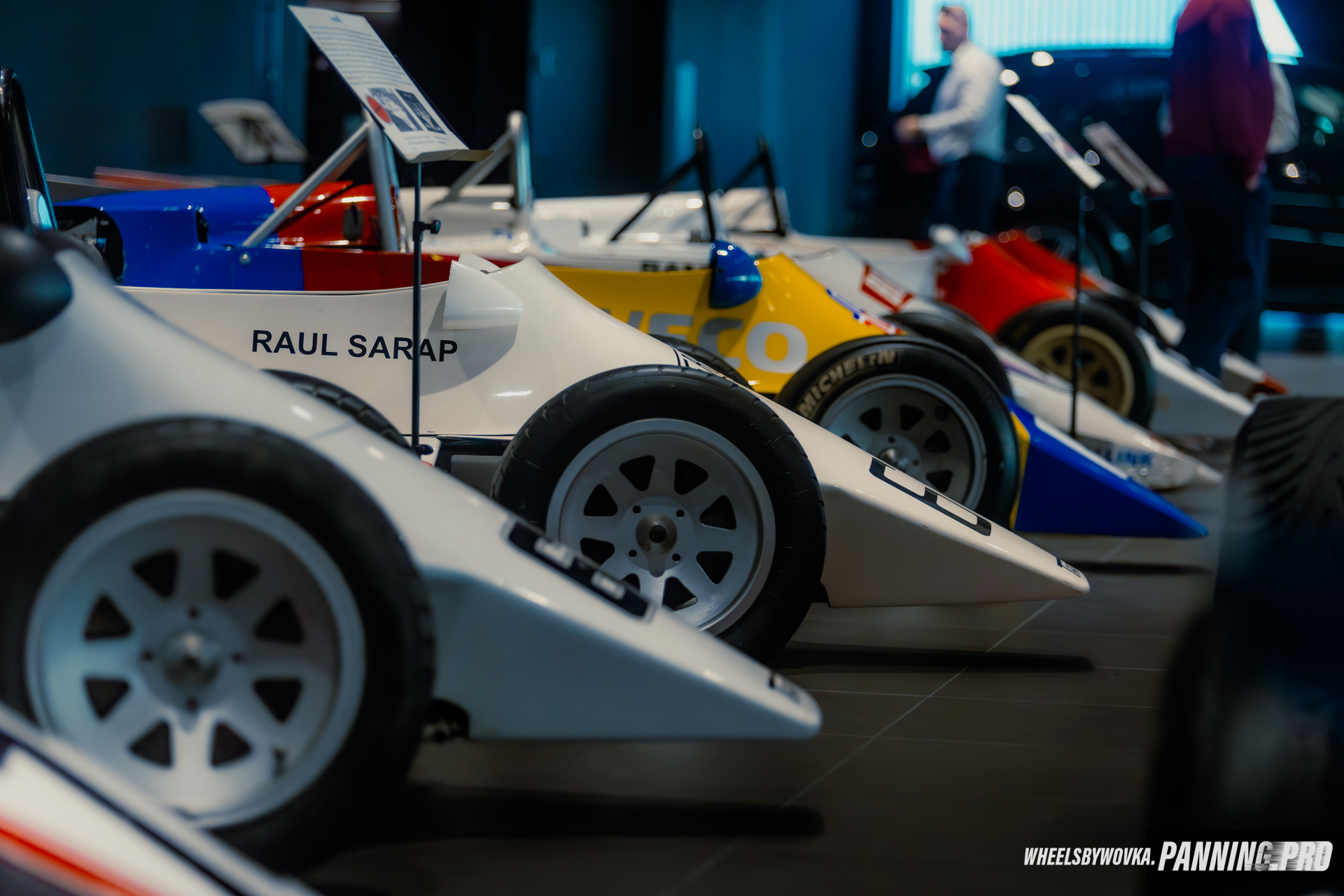
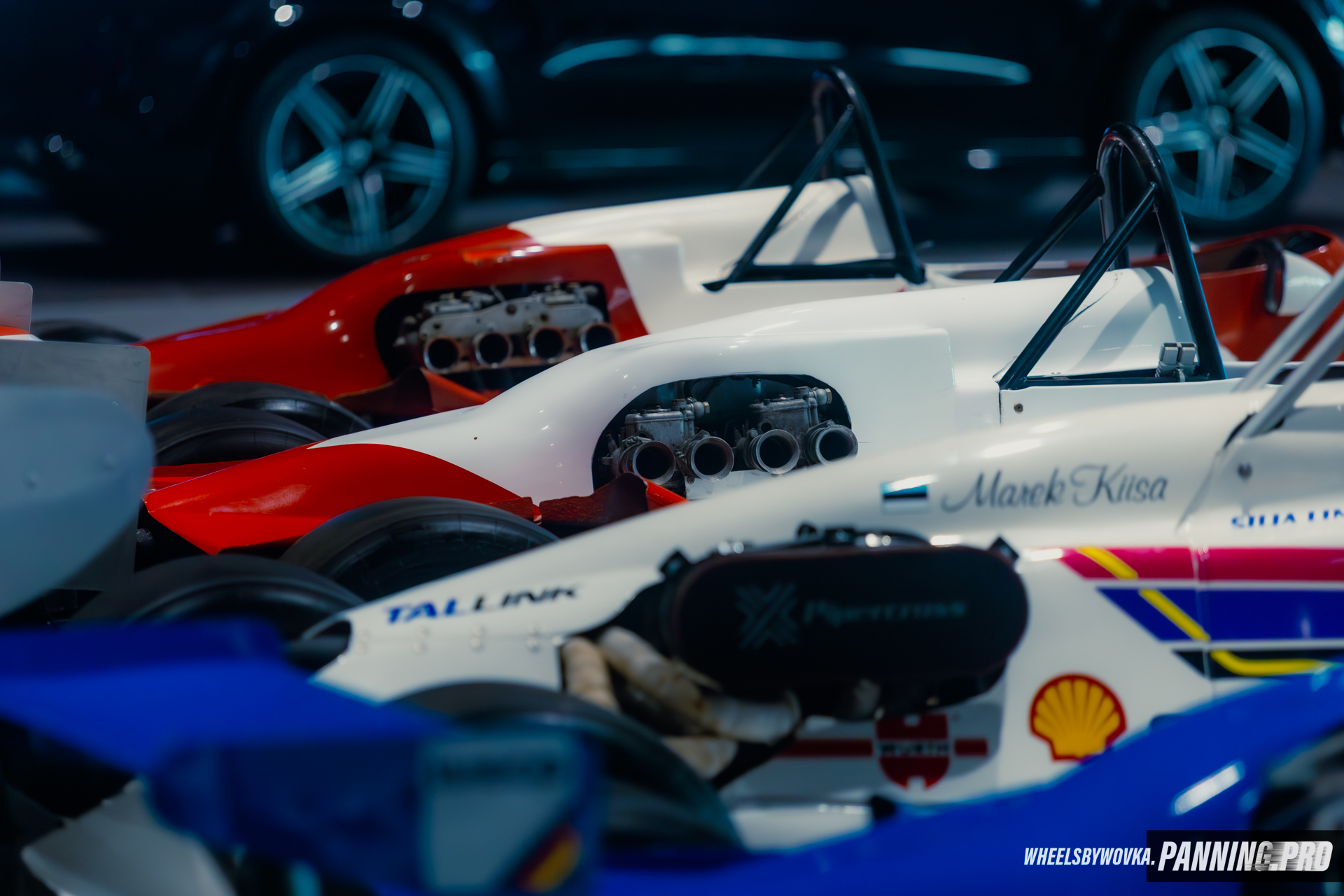
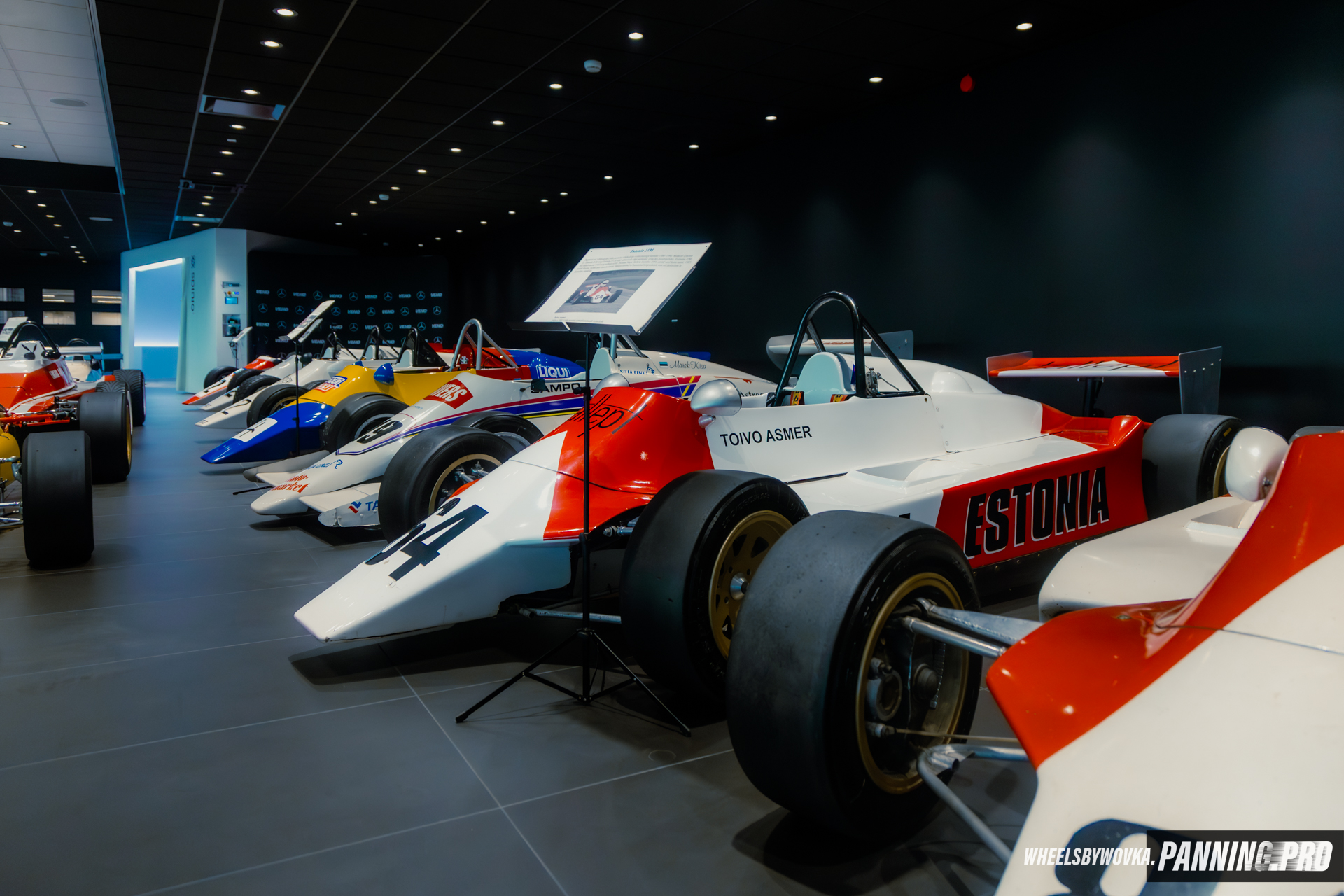
Estonia’s geographic position played a critical role in its engineering prowess. While most Soviet citizens were isolated from Western trends, engineers in Northern Estonia had a secret weapon: Finnish television signals. Because Estonian and Finnish are linguistically related, and the Gulf of Finland is narrow enough to carry a broadcast signal, TARK’s elite designers could tune into Finnish F1 broadcasts.
Smuggled Western magazines added another layer. Copies of motorsport publications circulated quietly among engineers, offering rare insights into developments beyond the Iron Curtain. In an era without internet or open exchange, even a single issue could influence design thinking.
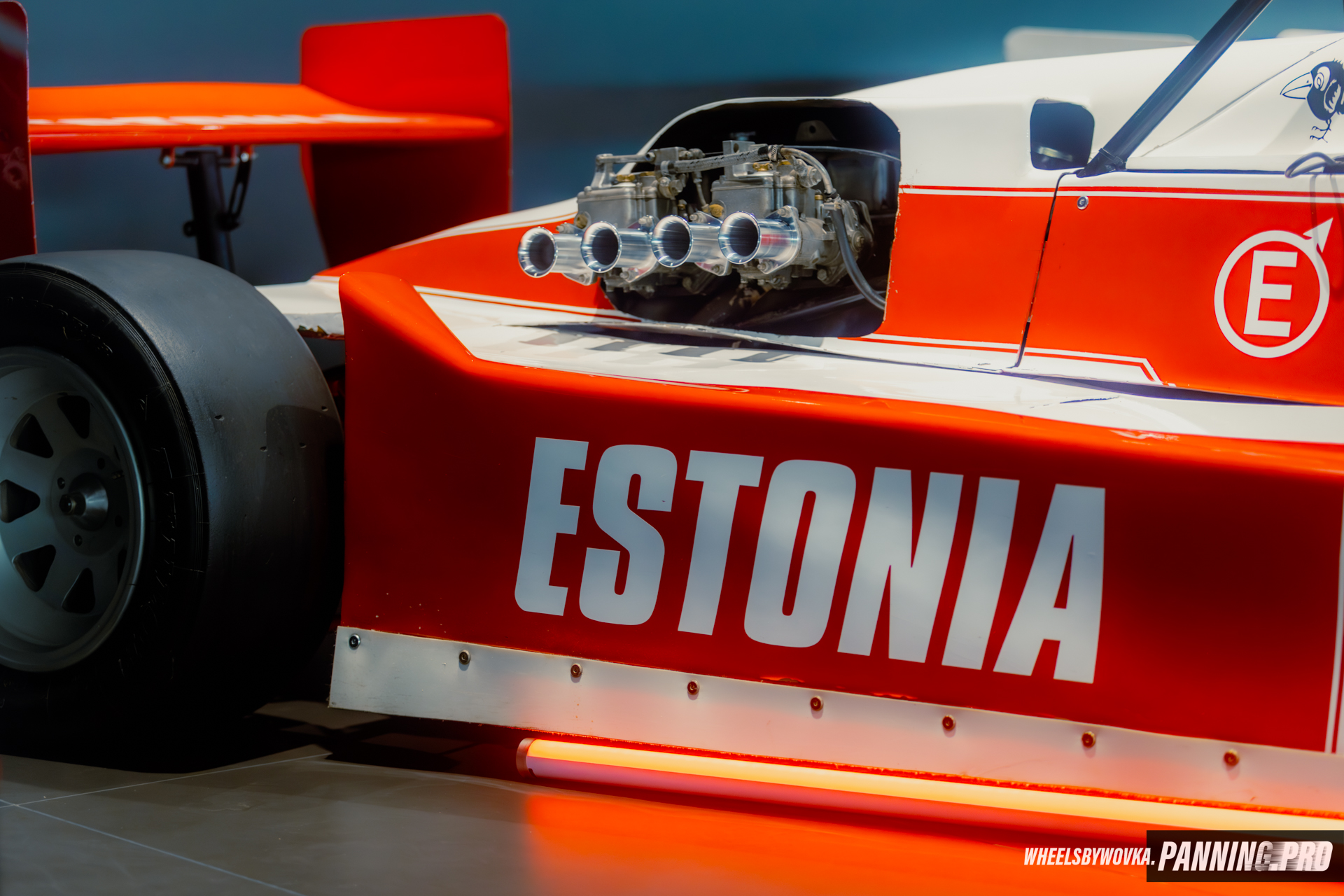
The Esttec-884 represents a bold, late-era Soviet attempt to break into the global racing market through Esttec SP, a high-stakes joint venture between a Tallinn-based state enterprise and the renowned West German tuning firm OKRASA Oettinger. Backed by a significant investment of 550,000 Deutsche Marks, the project’s ultimate ambition was to produce Formula 3 cars that could capture 25% of the global market.
Designed by, at this point, legendary Raul Sarap, the Esttec-884 was technically a Scandinavian Formula 4 car based on the earlier Estonia-24 chassis. It was a true hybrid of East and West, retaining the Estonian aluminum monocoque but featuring high-end Western components, including a 1.6L Volkswagen Golf GTI engine with Weber carburetors, a Hewland gearbox, and Bilstein shocks.
While the collapse of the USSR halted the project after only six cars were built, the Esttec-884 was an immediate competitive success; Olev Vanaselja won the Scandinavian-Baltic Cup in 1989, and Tomi Simonen drove one to a Finnish Championship title in 1990.
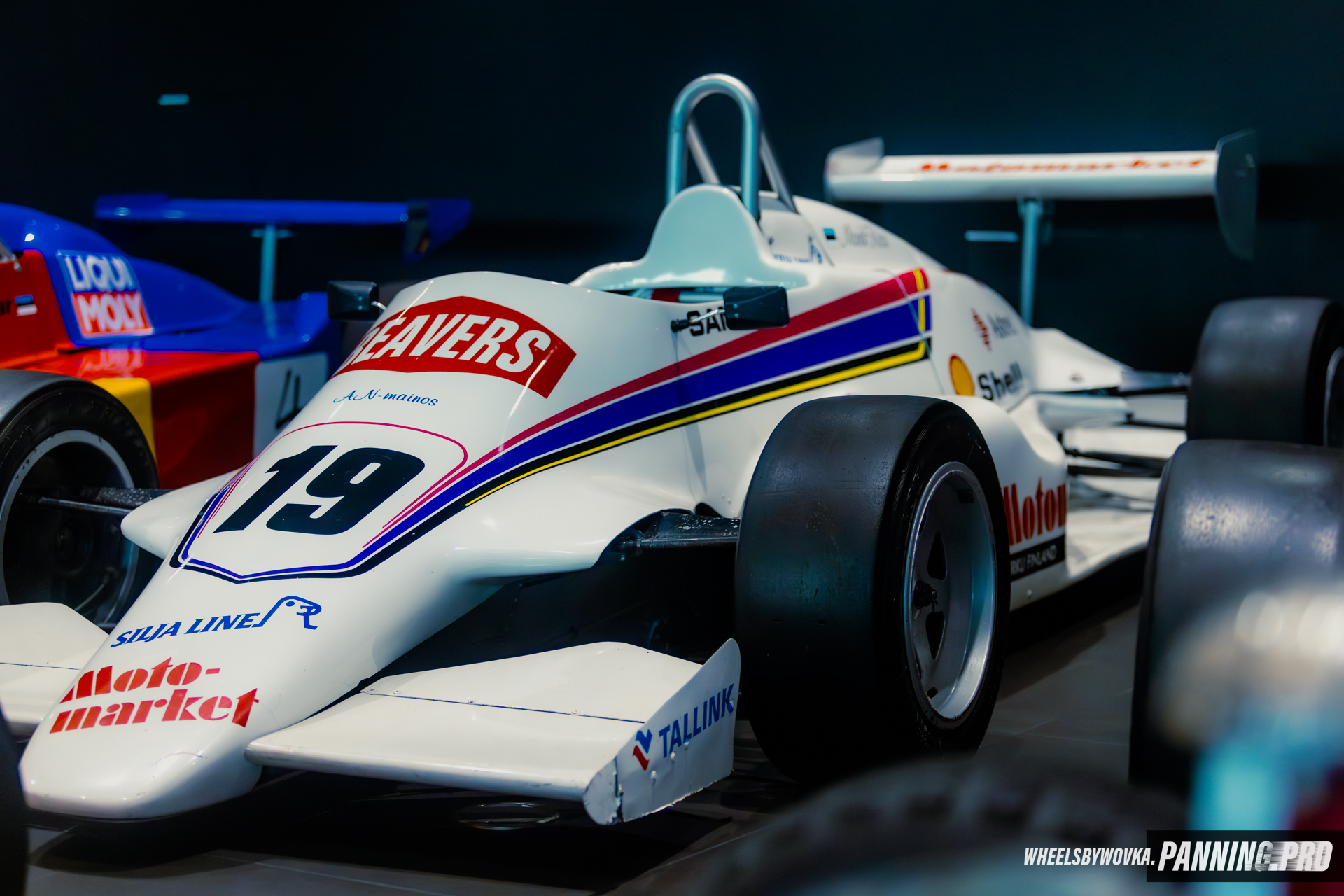
Following Estonia’s restoration of independence, the shift to a market economy and the influx of Western-built Dallaras and Reynards eventually phased out the “Estonia” as a primary competitor, the spirit of those engineers remains. The legacy of these cars endures through preservation efforts, particularly in the Formula Historic Estonia series, which revives historic models like the Estonia 21 in dedicated races to honor their engineering heritage and Soviet-era achievements.
__ __ __
TEXT & PHOTOS:
VLADIMIR LJADOV
IG: WHEELSBYWOVKA